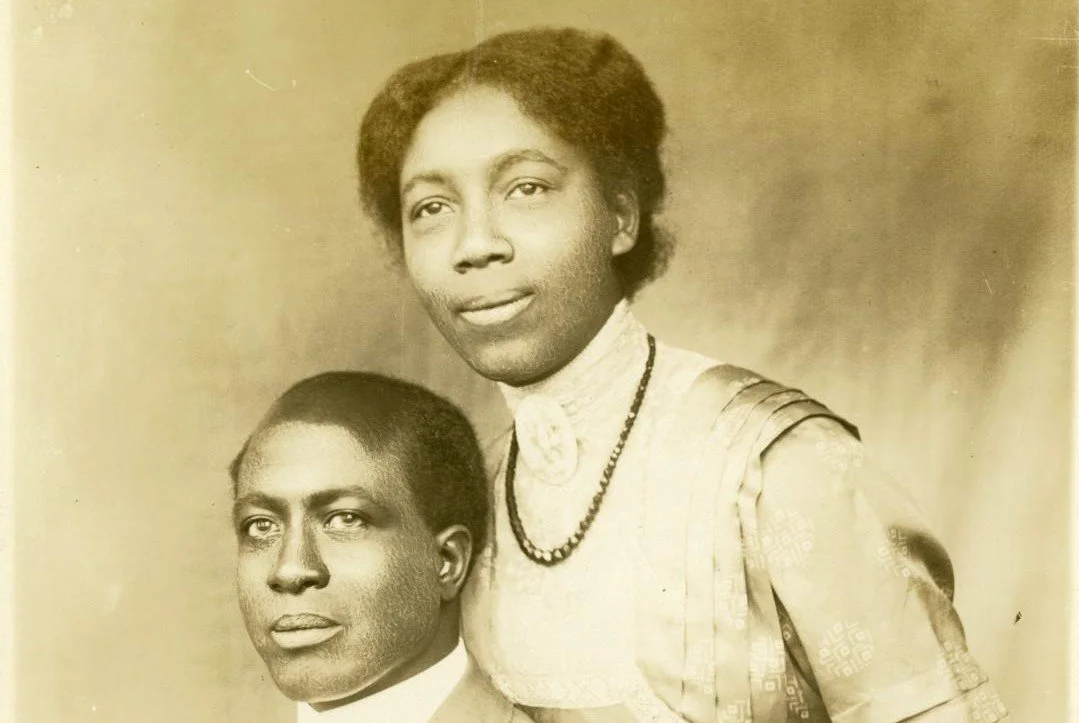
Winston holmes (meritt records)
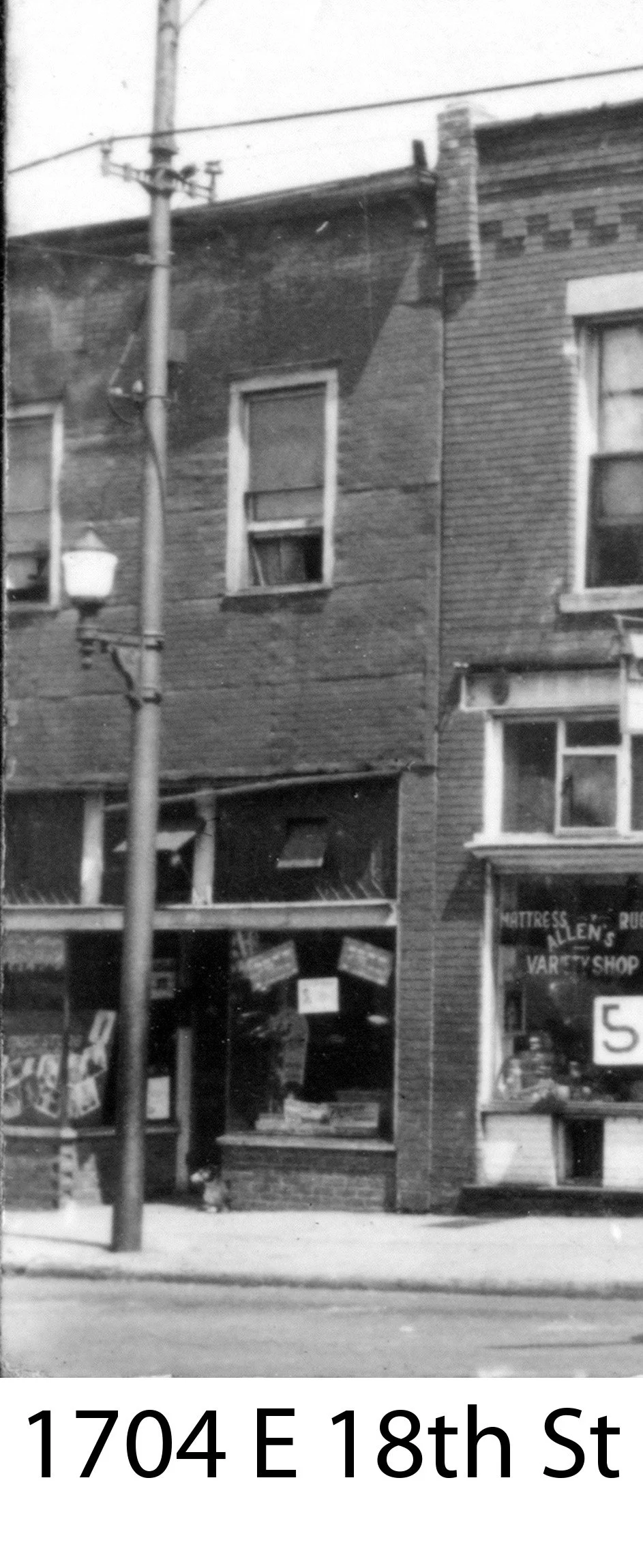
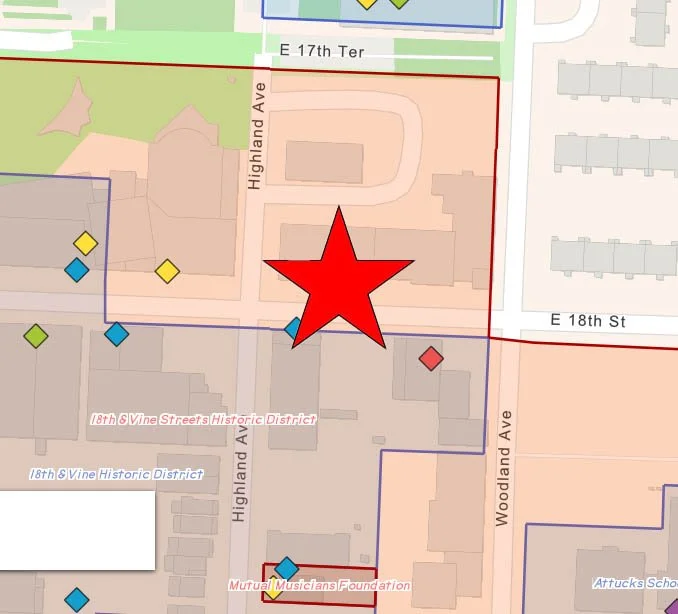
1704 E 18th St (Demolished)
Winston holmes (meritt records)
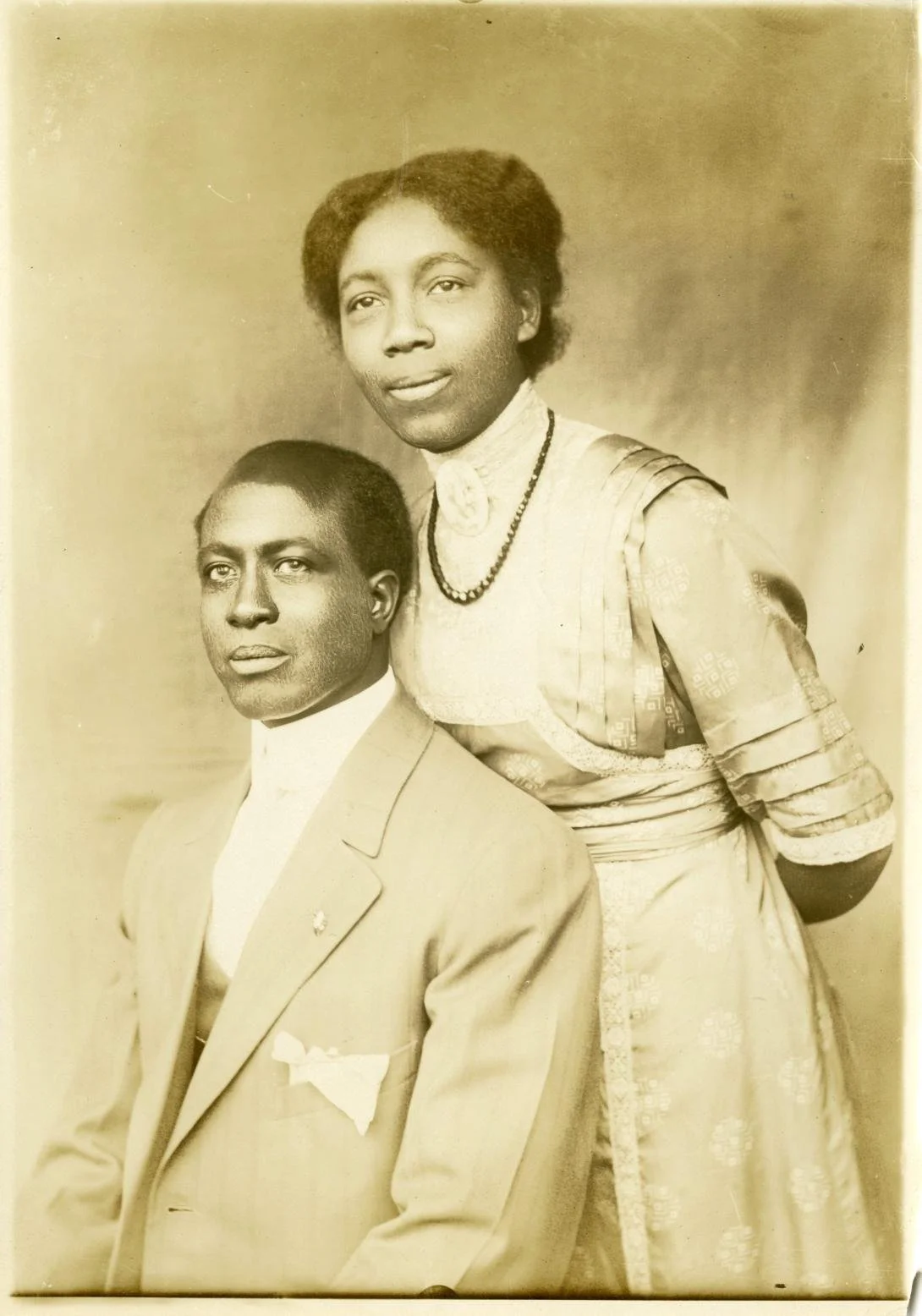
Winston Holmes, an often-overlooked African American entrepreneur who made significant contributions to Kansas City’s cultural and economic landscape. Born in Liberty, Missouri in 1879 and educated at Lincoln Elementary (now Lincoln College Preparatory Academy), Holmes pursued a diverse career that included boxing and entertainment before settling in Kansas City. In 1920, he co-founded the Winston Holmes Music Company with his wife Addie, establishing a thriving business that sold records, phonographs, and provided piano tuning services.
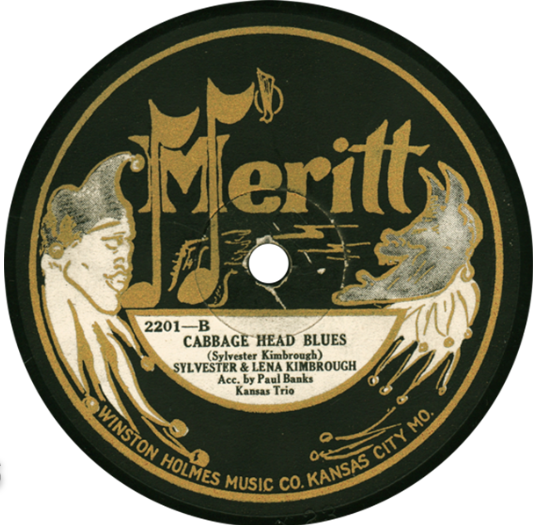
Holmes’s entrepreneurial journey reached a milestone in 1925 when he launched Meritt Records, Kansas City’s only race record label, located at 18th & Vine. Amidst the challenges of the Jim Crow era, Meritt Records became a crucial platform for local African American jazz and blues artists, offering them recording opportunities that were otherwise inaccessible due to racial segregation in the music industry. Holmes's studio not only fostered local talent but also facilitated record deals that brought national recognition to Kansas City’s vibrant jazz scene.
Meritt Records were a personal creation of Winston Holmes, issued in limited pressings and sold exclusively through his own store, marking them as some of the rarest American "race labels" of the time. His studio, which boasted one of Kansas City’s first electrical recording setups by 1927, hosted sessions for numerous recording companies and played a pivotal role in the national prominence of Kansas City jazz during the 1920s.
Today, Winston Holmes’s legacy endures as a testament to his vision and perseverance. His pioneering efforts with Meritt Records not only enriched the cultural fabric of Kansas City but also empowered African American musicians to achieve prominence in an era of racial inequality. Holmes’s story serves as a reminder of the resilience and creativity of African American entrepreneurs who navigated systemic barriers to leave an indelible mark on American music history.
Written by Janelle Zachery, Historic Preservation Intern
MAP

share